
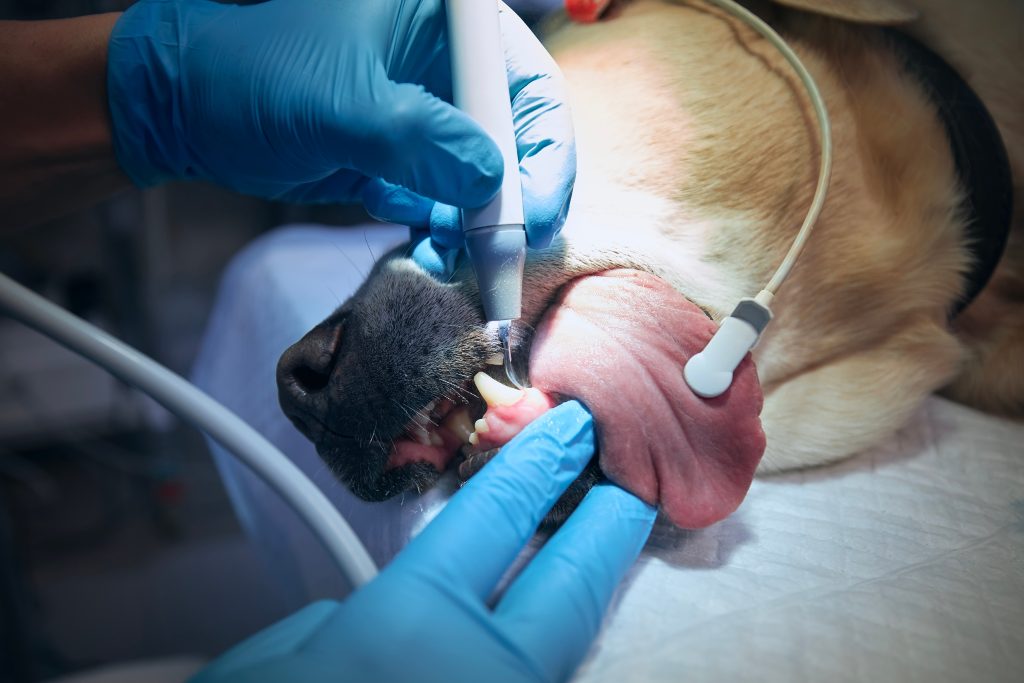
While we often focus on our own medical histories, it’s important to remember the animals in our care. Veterinary medicine has evolved extensively over the past few centuries, and understanding its origins is crucial. From the initial recognition of dental diseases to the development of modern veterinary dental care, the journey of animal dental health is a noteworthy one.
Early Signs of Dental Problems in Animals
Amongst the first animal and human findings, there is evidence of jaw inflammation, deformities, and tooth infections. These infections were found in dinosaur fossils from the Mesozoic period, and it is understood that these diseases continued into future generations. Scientists also discovered these findings in three-hoof horses in the Eocene period, which led to further veterinary dental knowledge for more modern-day horses.
Where Animal Dentistry Originates
An author from the 4th century AD mentions teeth and jaw fractures in his book, leading to a focus on animal dentistry. Horses were among the first highly domesticated animals, so studies began with them and compared their dental anatomy to that of humans; many diseases, such as gingivitis and other dental anomalies, were discovered. It was in the 14th century that physicians first began performing oral/dental treatments on horses, eventually leading to the development of books on veterinary medicine in the 1830s.
Moving on to Household Pets
As household pets boomed in popularity, and more information came out about their dental structures, it became commonplace to bring them in for dental exams. In the 1930s, it was more accepted to bring them in for yearly exams, and for breeders to get their animals’ dental work done to ensure the best quality genes got passed down to future generations. Many animal owners began attempting to prevent dental plaque by brushing with salt tablets and pumice stones, typically under general anesthesia, in an effort to identify the root causes of tooth loss and plaque accumulation.
Veterinary Dentistry Changes in Modern Times
During the research conducted for veterinary dental care, scientists discovered that animal teeth share similarities with those of humans, including structure, fracturing, and diseases. Veterinary dental care practices are becoming increasingly sought-after, and it’s apparent that advancing technologies greatly contribute to veterinary dentistry. Dentistry is one of the most prominent fields where technology is reflected in medicine!
How to Make Veterinary Dental Appointments
Just as with humans, maintaining your pet’s dental care helps to prevent health complications and can reduce future expenses. In earlier times, arrangements for veterinary dental care required slow communication (letters, for example) and home visits from specialists. Today, you can conveniently schedule an appointment for your pet by calling your local veterinary office.
How to Prepare for Veterinary Dental Care
Each animal is unique, and the type of pet you have will influence how animal dentistry is approached. No one knows your animals as well as you do, so part of preparing for a veterinary dental exam is letting the doctor know if your animal has any triggers that could hinder the appointment.
It’s crucial to inform your veterinarian about any problematic teeth your pet has, along with any symptoms they’reexperiencing, such as pain or swelling. At the start of the exam, veterinarians will evaluate soft and hard oral and facial tissues thoroughly, then proceed to X-rays if anything looks out of the “norm.” Before any treatment or testing, your veterinarian will discuss the process with you in detail and recommend the next steps once the exam is complete.
Choosing The Right Veterinary Team
The advancements in veterinary dental care have been remarkable over the centuries. From fossil discoveries to early dental treatments on horses, technology and medicine have significantly advanced veterinary dental care. If you have questions regarding the process of veterinary dental exams or concerns about your pet’s oral health, the team at Old Dominion Veterinary Clinic is available to assist you.
Keywords: veterinary dental exams, veterinary dental care, your pet’s oral health, dental care for animals, animal dentistry, preparing for a veterinary dental exam, modern veterinary dental appointments, animal dental health, veterinary medicine