
Summer is a beautiful time, but the excessive heat can be hard on everyone, especially your four-legged friends, whom you call family. A critical part of pet heat safety is understanding how to limit the chances of heat exhaustion/heat stroke in an animal, and recognizing the signs of both.
Practicing Heat Safety
Everyone needs to practice heat safety, including drinking plenty of water and sitting in a cool environment when they get too warm. Here are some summer pet safety tips to keep your animals safe and healthy in the rising temperatures.
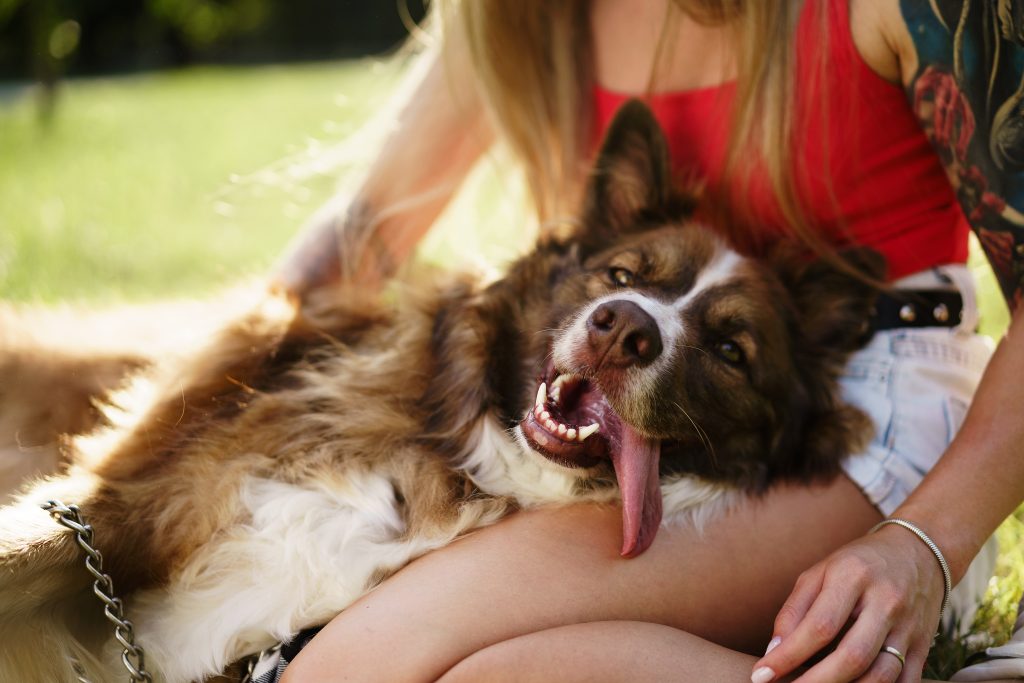
Alt text: woman sitting with her dog panting in the grass
Alt description: a woman sitting in the grass with her brown dog who’s panting in the sunlight
Never Leave Them In A Parked Car
One of the quickest ways for your animal to suffer from each stroke is to be left in a car on a hot day. Temperatures can rise by almost 20° in the first 10 minutes, even with the window cracked open, so it’s always best to avoid leaving them in a parked car completely.
Reduce Excessive Outdoor Exercise
Exercise is a great way for them to burn off energy, and is essential for their health, but there is a limit. To prevent heat stroke in pets, it’s best to limit outdoor exercise, as this can raise their body temperature.
Make Sure They Drink Lots Of Water
Just like you and I, your pets need to drink plenty of water to stay hydrated and avoid heat exhaustion or heat stroke. This is one of the most important parts of pet heat safety, as proper hydration can make or break your pet’s health during the summertime.
Heat-Related Illness Risks
You should do everything possible to prevent heatstroke in pets, but it’s equally important to understand the signs and symptoms if it were to happen. From excessive panting to body weakness, if you know what to watch out for, you know when to bring your pet in to be checked out.
Excessive Panting And Drooling
If your pet begins panting loudly and aggressively, that’s a sign of worsening heatstroke or dehydration. Additionally, if your pet is drooling excessively with red gums or tongue, you should bring them in to be checked out.
Restlessness and Fast Heart Rate
Being too hot is uncomfortable for anyone, but if your dog, in particular, is overheated, they will become agitated and restless, often pacing. If you are watching your animal closely, you may also notice that their heart rate has increased over time.
Confusion and Weakness
As heatstroke advances in your pets, you may begin to notice more concerning symptoms, such as increasing confusion and weakness. Part of hot weather pet care is understanding the signs and when they become more dangerous.
Learn More About Pet Heat Safety
Understanding how the heat affects your animals is crucial to understanding how to care for them in the summer months. If you want to learn more about how to keep them comfortable and out of danger in the hot weather, call Old Dominion Veterinary Clinic for more pet heat safety!