
Your pet relies on you for food, shelter, comfort, and aftercare during the hardest moments in their life: surgery. One of the most critical surgeries your furry friend can undergo is an appendage amputation. Caring for your pet post-amputation is no easy feat, but it is worth it if you want them to have the smoothest recovery and the best quality of life!
Caring for Your Pet Post-Amputation – The Critical First 24-48 Hours
The first 24-48 hours after an amputation surgery are critical for their health and healing – they need a calm, comfortable environment to rest and recover. Many professionals suggest using a crate or playpen to keep your pets in one spot during the initial healing period, which can prevent accidents from occurring. Provide them with a soft bed and blankets placed away from loud noises and heavy foot traffic!
Offer Comfort
Your pet has just undergone a life-changing, drastic surgery and won’t be sure how to handle it and process what happened. Offering comfort after amputation is one of the most essential steps in their healing, mentally and physically. Constant check-ins, gentle pets, words of love, enrichment activities, and being attentive to their mood changes are wonderful ways to remind them they’re loved and keep their spirits up!
Pain Management
Your pet underwent an amputation, so they’re going to be in pain; their vet will give you pain relief and antibiotics to assist in alleviating some of the discomfort they’ll experience. These medications also prevent complications such as infection, which is a serious threat after any surgery.
Assisted Mobility
Pet amputations require a lot of patience and emotional support to help them adapt to their new life and assistance in learning how to move around without one of their appendages. As a responsible pet owner, you’ll have to help them move around when needed and maintain a comfortable and accessible space for them to rest, away from any potential hazards like stairs.
Maintain A Proper Diet And Hydration
Proper nutrition and hydration are essential for amputation recovery; your animals need fresh water accessible at all times, and they need to start with a gentle diet that’s easily digestible. You can transition them to regular food at your vet’s discretion, once they’re past the critical point post-surgery. Monitor them closely for signs of dehydration (dry gums and reduced skin elasticity), and encourage drinking water by adding low-sodium broth to it!
Monitor Behavioral Changes
You know your pet better than anyone else, so you’ll be the one to know first if something isn’t right post-op. Part of caring for your pet post-amputation is taking note if they exhibit any signs of distress, such as labored breathing, vomiting, or extreme lethargy; you must contact their vet immediately.
Consider Physical Therapy
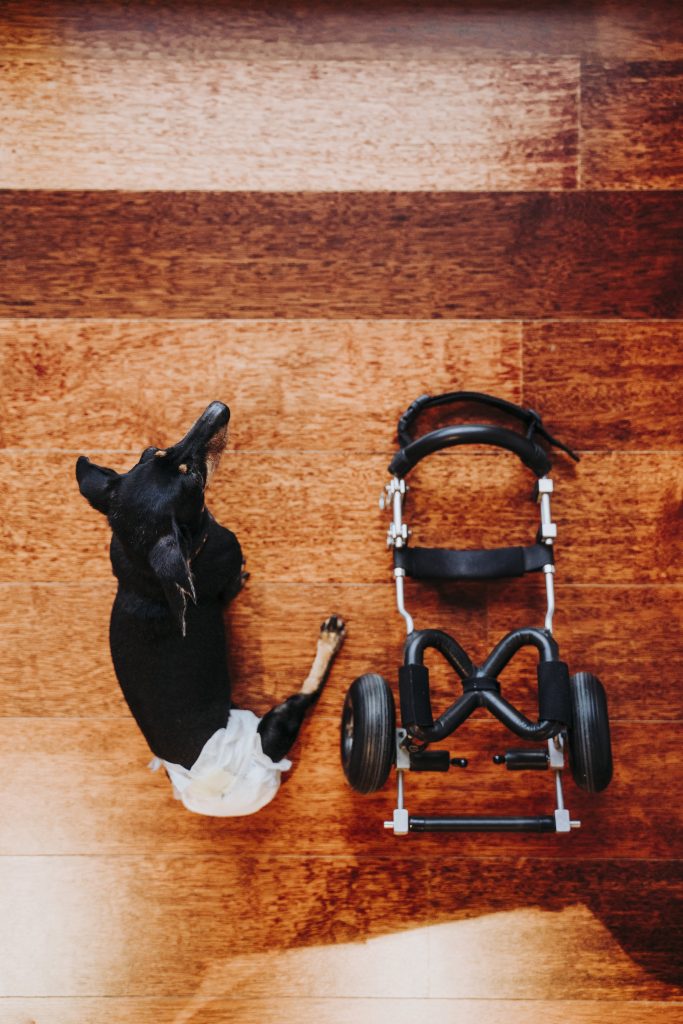
Once your veterinarian is satisfied with your pet’s progress, they will educate you on how to increase exercise and activity gradually. There are wonderful rehabilitation services available for your pets, and your veterinarian can provide information about what would be best for them. Additionally, prosthetics and mobility aids like wheelchairs, ramps, and harnesses may be an option for those especially active furry friends!
Follow Vet Instructions And Your Intuition
Your veterinarian will provide you with a list of instructions for post-operative care that you must follow to avoid strain or infection! Part of this list includes monitoring vital signs like breathing and alertness; always keep them in an area where you can access and observe them. If you have any concerns or you think something may be wrong, your vet team is happy to offer answers and comfort during this stressful time.
Trusting The Right Team
The bottom line is that pet amputation surgery is scary for the pet and its owner; however, you can limit the fear by playing an active role in the healing process. Proper nutrition, extensive research, communication with the veterinarian, and as much rest as possible are all key factors in maximizing your pet’s health after surgery and caring for them post-amputation. If you have questions or concerns, or if your pet needs amputation surgery, don’t hesitate to contact Old Dominion Veterinary Clinic – we will gladly put your mind at ease!