
Unfortunately, your pet is susceptible to various diseases that can have adverse long-term effects. For example, heartworm is a serious threat to your pets, having devastating effects on their health and potentially leading to early death. Proper heartworm testing and prevention are necessary to keep them in great shape and as healthy as a… well, horse!
How Do Animals Get Heartworm?
Heartworm is a worm that takes up residence in your pet’s heart, blood vessels, and lungs. They are found all across the country, and enough of them can lead to irreparable damage; this can lead to heart failure and pulmonary hypertension in your pets. These deadly pests are transmitted by mosquitoes carrying larvae, and are transferred to your pet through a single bite!
Warmer areas are a breeding ground for heartworms, but your animals are at risk no matter where you live. They travel to the heart and lungs, begin reproducing, and grow up to a foot long!
How Can I Prevent Heartworm?
You can purchase oral or topical prevention medication, depending on what your furry friend responds better to. The topical medication is absorbed into the bloodstream, and oral medications are given monthly. If you have concerns about keeping up with medication, you can also talk with your vet about performing injections once or twice a year. Additionally, most veterinarians recommend yearly testing for heartworms to ensure pets are healthy, and if heartworms are detected, you can begin treatment right away!
The Testing Process
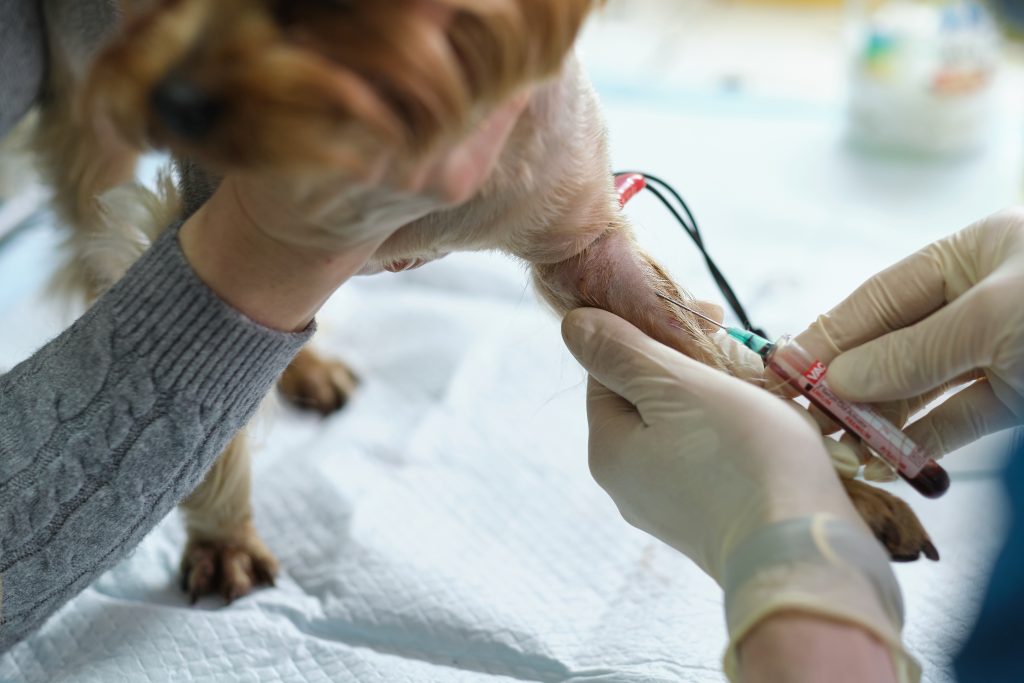
Heartworm testing requires a vet to take blood samples from your pet and then search for the presence of heartworm proteins. Some vet clinics process these tests in their hospital, while others send the samples to a diagnostic laboratory – you can talk to your vet about which tactic they typically use. If these tests return positive, your veterinarian will want to perform additional testing to confirm. At Old Dominion, we’re pleased to offer in-house testing.
Signs And Symptoms
The signs of heartworm vary depending on what type of animal you own; the most common animals to test positive are dogs, but cats and ferrets are also at risk! In early development, the signs are fairly minor, but they gradually worsen as more time passes without treatment. In dogs, you’ll begin to notice weight loss, decreased appetite, persistent cough, and fatigue that will intensify over time.
In cats, you’ll notice coughing, asthma attacks, lack of appetite, vomiting, and potential seizures. If your ferrets are infected, they will become sick very quickly and show signs of severe fatigue, coughing, open-mouth rapid breathing, or pale blue/muddy gum coloring.
Treating Heartworm
Treating heartworm is challenging because symptoms aren’t always noticeable until the disease progresses. They will need months of treatment, including injections administered slowly to kill the worms. You will need to restrict activity to prevent exercise-related complications such as blood clots, and strict bed rest and constant monitoring are critical to your pet’s recovery!
Unfortunately, in extreme heartworm cases, the infection will need surgical intervention to save your pet’s life. The veterinarian will anesthetize your animal to attempt to pull the worms from the blood vessels, which is invasive and risky for your pet.
Can Pet Owners “Catch” Heartworm?
Humans don’t typically catch heartworm, but the prevention medications also protect against hookworms and roundworms, which are very contagious to humans. These intestinal parasites can infect the owner, cause illness, and require expensive treatment themselves!
Finding The Right Veterinarian For You
To recap, heartworm is a scary, often deadly, disease for your pets, resulting in costly treatments and potential illness for the owners. However, you do have the power to decrease the chances of it developing and increase your animal’s lifespan! You need a veterinary clinic that’s reliable, offers testing, and will work with you on a treatment plan that works best for everyone.
Old Dominion Veterinary Clinic provides heartworm testing and recommends having your animals tested at least once a year. If we detect the disease, we’re prepared to create a treatment plan tailored to you and your pet!