
The concept of C-sections in humans goes back thousands of years, though it wasn’t established as a semi-survivable procedure until about the 1940s. It’s assumed that these surgeries were done on animals back then, too, but with a much graver outcome. Cesarean sections in animals are still risky, but with advancements in technology and knowledge, we can now perform them with less concern and a better prognosis for your fur babies!
Predicting The Need For Cesarian Sections in Animals
Throughout your pet’s pregnancy, it may be difficult to tell that something is wrong or that they’ll need surgery to get the litter out; routine scans and tracking symptoms will aid in discovering complications earlier on.
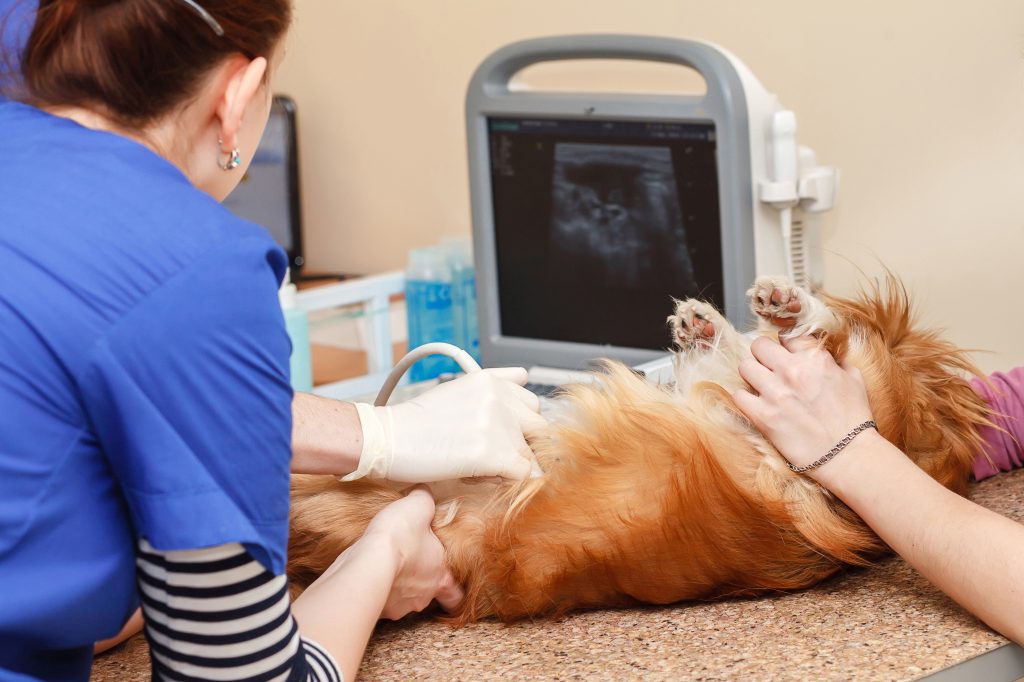
Veterinary X-rays are going to be your best friend, showing how many babies to expect during delivery and if any issues could cause dystocia (difficult birth). If it’s decided that your pet does need surgery, you can make a plan with your veterinarian and gather information regarding aftercare as necessary.
Cesarian Sections In Dogs
If you notice that your dog is struggling to give birth naturally, she needs to be seen by a professional asap. Puppies who have difficulty being expelled from the birth canal can get stuck or become septic, along with the mother, leading to high fatalities.
Why It May Be Necessary
Many complications can lead to cesarean sections in dogs, so it’s crucial to pay close attention during the birthing process for any signs of distress. If the mother is pregnant for longer than 70 days, experiencing extreme pain, showing signs of illness (lethargy, throwing up, tremors, etc.), or strong contractions for more than 30 minutes without any puppies appearing, something is likely wrong. Of course, there are many more complications leading to dystocia, which is why it’s best to attempt to get your dog to the vet if it goes into labor.
Cesarian Sections In Cats
Unfortunately, dogs aren’t the only pets that could experience dystocia during the natural birth process; cats are just as susceptible to this complication. This can happen for many reasons, ranging from fairly minor to much more complicated, which can potentially change the outcome of the birth.
Why It May Be Necessary
Sometimes, kittens may be in distress in the mother’s uterus, which means they’re not getting enough oxygen or nourishment. This can happen if the mother is hurt, or ill, or if there are issues with the placenta or umbilical cord; additionally, if the mother cat has any underlying conditions that can make it more difficult to give birth, a C-section may be necessary. If the mother is carrying a large litter, it becomes more difficult for kittens to enter through the birth canal, requiring surgical intervention to prevent infant kitten death.
Cesarean Sections In Animals: Risks And Aftercare
No surgery performed on your pet comes without risks; some of the most common risks include excess blood loss and post-surgical infection. Always follow the directions of your veterinary specialist regarding medication, rest for the animal, and other surgical aftercare necessary for retaining their longevity and quality of life!
How To Find Out More
Do you have any questions about cesarean sections in animals, or have concerns about the complications? Don’t hesitate to contact the helpful staff at Old Dominion Veterinary Clinic! These surgeries sound scary, but with proper care in a controlled environment, your pet can receive the best care possible and have the best possible chance for a smooth delivery!