
As they grow, your pets will need protection from unseen threats, such as diseases, to keep them strong and thriving. Pet vaccinations are arguably the most important part of pet health and preventative care. If you’re unsure about how important pet vaccinations are for your furry friends, let’s take a deep dive into the vaccine schedule and what they protect against.
Core and Non-Core Vaccinations
Core vaccinations are ones we recommend all pets receive due to the risk of exposure to certain diseases and the severity of the disease. Rabies, for example, is a disease that can affect dogs and cats and can be transmitted to their humans. Core vaccines for dogs include parvovirus, and vaccines for cats include feline panleukopenia virus.
Non-core viruses are administered based on your individual pet’s risk and where they are located. These vaccinations include anti-lime disease and canine influenza virus for dogs, and feline leukemia virus and chlamydia felis for cats.
Pet Vaccination Timeline
It can be difficult to keep track of which vaccines or animal needs are and when. The vaccination timeline is critical to keeping them protected throughout all stages in life.
First Vaccines for Dogs
The puppy vaccination schedule begins at 6-8 weeks, their initial core vaccinations for DA2P (Distemper, Adenovirus-2, and Parvovirus. The time interval for receiving boosters for these vaccines is approximately every 2-4 weeks until they are roughly about four months old, then they switch to a more annual-based schedule.
First Vaccines for Cats
When your felines are about 6-8 weeks old, their initial core vaccines are for FVRCP (Feline Viral Rhinotracheitis, Calicivirus, Panleukopenia). Part of the kitten vaccination schedule is receiving boosters at 10-12 weeks, along with FeLV vaccination only if they are at risk and not in a multi-cat household.
Secondary Dog Vaccines
About a month after the initial vaccination, they will need DA2P again, Bordetella, and possibly Leptospirosis, based on their individual risk. Around the 12-week mark is also when you can have your dogs vaccinated for rabies without any boosters until they are one year old.
Secondary Cat Vaccines
Similar to dogs, cats need a rabies vaccine around 12-16 weeks to protect them until they’re one year old. They will need a secondary FVRCP vaccine around this timeframe, roughly about three weeks after the initial dose.
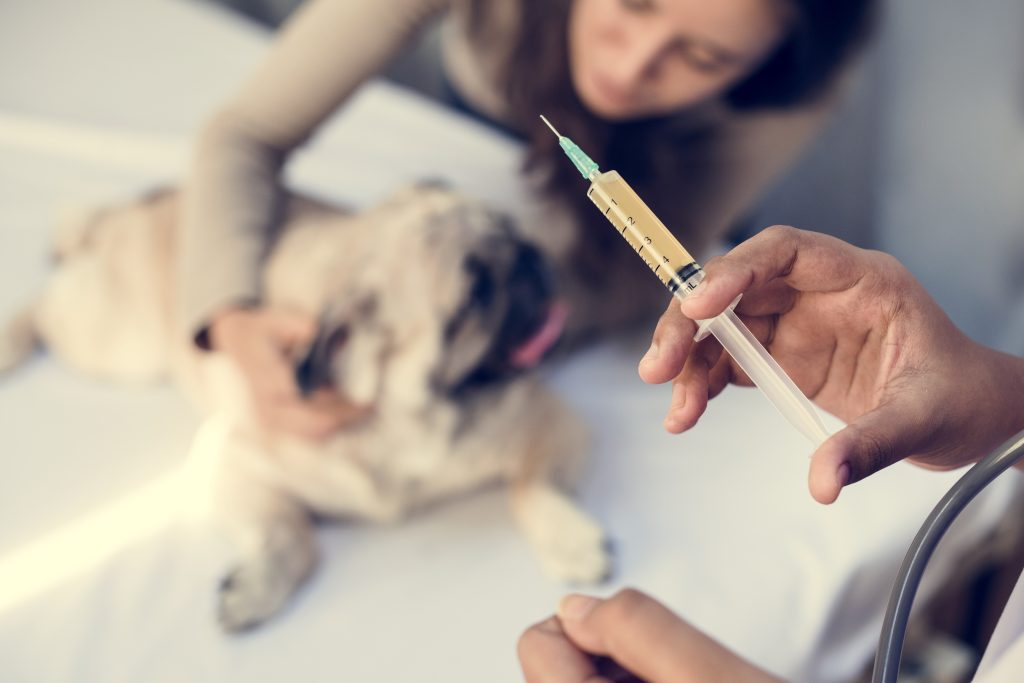
Annual Vaccines for Dogs
Dogs receive the rabies vaccine at one year old, then every 1-3 years as needed, depending on their lifestyle. They also receive DA2P at a year old, then every 1-3 years, with the intervals spaced out based on regulations where you live, and their exposure levels.
Annual Vaccines for Cats
Similar to dogs, cats will need rabies and FVRCP at a year old, then every 1-3 years going forward. These are largely based on lifestyle and exposure risk, as well as the vaccine type and current regulations.
Other Dog Vaccines
Your canines will also eventually receive Adenovirus-1 (canine hepatitis), with a booster one year after completing the initial vaccination. They will also need a medication dose to protect against parainfluenza many times until about 14 weeks old, with the standard booster being every three years as a protective measure.
Other Cat Vaccines
Your kitten will need vaccinations against feline herpesvirus as early as 6 weeks old, with boosters about every four weeks until they are a year old. As with dogs, they will also need protection against Bordetella as early as 4 weeks old, and once they are a year old, they will receive it annually for proper protection.
How to Balance Your Pet’s Vaccine Schedule
The pet vaccination timeline can be confusing, but you can talk to your local veterinary office about core versus non-core vaccines for your pets and caring for them once they’ve had the vaccinations. When you’re ready to schedule an appointment, give Old Dominion Veterinary Clinic a call!