
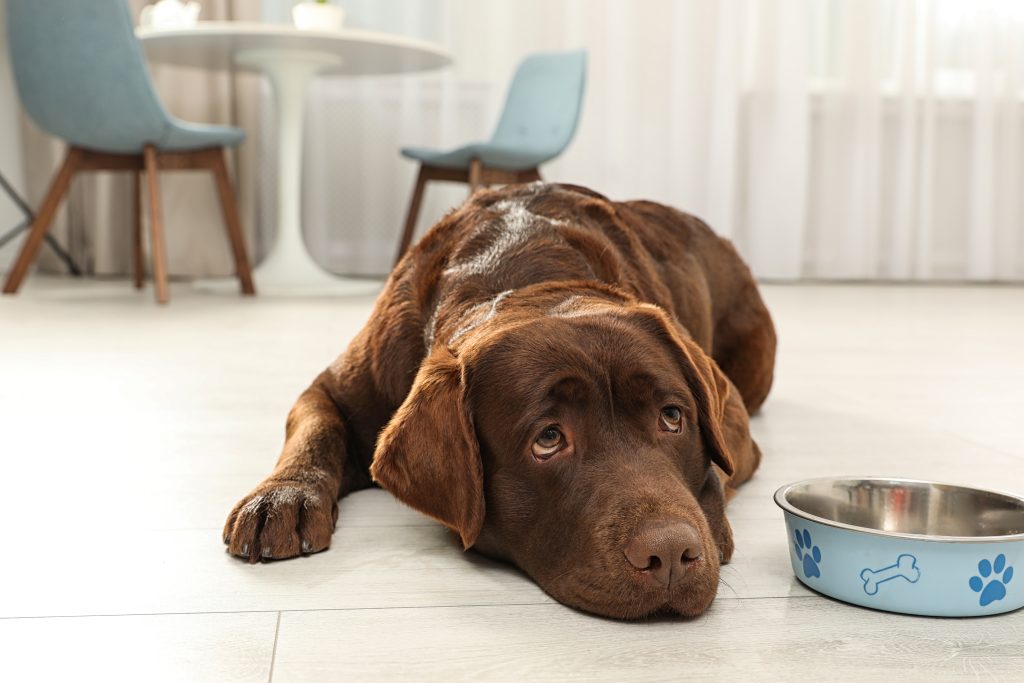
In many ways, our pets are just like us: they experience pain or illnesses that can hinder them and make them act out of character. Unfortunately, unlike humans, they can’t openly tell us what hurts or where; however, there will be signs that your pet is in pain.
Your furry friend may experience acute pain that comes on suddenly due to a quick injury, or chronic pain that develops over time due to age or previous injury. Luckily for you, there are some telltale signs that something isn’t quite right.
Lower Energy and Activity
One of the most obvious signs that your pet is in pain is lower energy levels – animals will not want to move around or play if they are uncomfortable. They will often become restless, lie very still, have trouble moving around, or not want to go on those daily walks they normally look forward to.
Sudden Sensitivity to Being Touched
Most animals love affection from their people; it’s the easiest way for us to show our love for them. However, animals who are in pain or don’t feel right will often withdraw from their family and become antisocial in situations where they normally would not be.
Strange New Behaviors
Sometimes, if your animals are in severe pain, they will begin to act out because they are uncomfortable and unsure how to handle it. This often presents as aggression, flinching, and occasionally growling or hissing whenever you get too close to them or the afflicted area.
Loss of Appetite
Another major sign that something is wrong is when your pet suddenly refuses to eat or especially drink water. They will often refuse their favorite treats, leave their food bowl relatively untouched, and either drink a lot less or a lot more water than usual.
Unusual Movements
Along with lowered energy and activity levels, your pet may exhibit strange movements that aren’t normal for them if they are uncomfortable. Limping, heavy panting while at rest, squinting, and many other movements that are not normal for your pet are a sign that something could be boiling beneath the surface.
New Bad Grooming Habits
If your pet is usually quite good at self-grooming, that’s one way to tell if they are in pain or discomfort. They will either stop grooming themselves like normal, or go the opposite direction and bite or scratch a particular area that’s bothering them repeatedly.
Keep Them Comfortable
A huge part of pet pain management is to try to keep your pet as comfortable as possible. Make sure their bed is easily accessible, provide them with warm blankets, bring food bowls to them if they have trouble walking, etc. If your pet is in pain, they are going to need your help to avoid anything that might exacerbate it.
Don’t Push Boundaries
It’s important to remember that they cannot communicate on the same level that we can. If you’re unsure what’s going on, it’s important not to do anything that might make their illness or injury worse. Don’t try to force them on that walk, don’t go overboard on trying to give them treats, and don’t bombard them with being in their space 24/7.
Call a Reliable Veterinary Clinic
Unfortunately, many pets either hide their pain at first or struggle to express their discomfort. This is why it’s crucial for you to recognize the signs as they come, so you can get them the help they need as soon as possible.
If you begin to notice any of these signs that your pet is in pain, along with toilet accidents, oversleeping, stiff posture, etc., it’s time to bring them in for a checkup. Old Dominion Veterinary Clinic will take great care of your furry loved ones and get them back to their normal selves as soon as possible!