
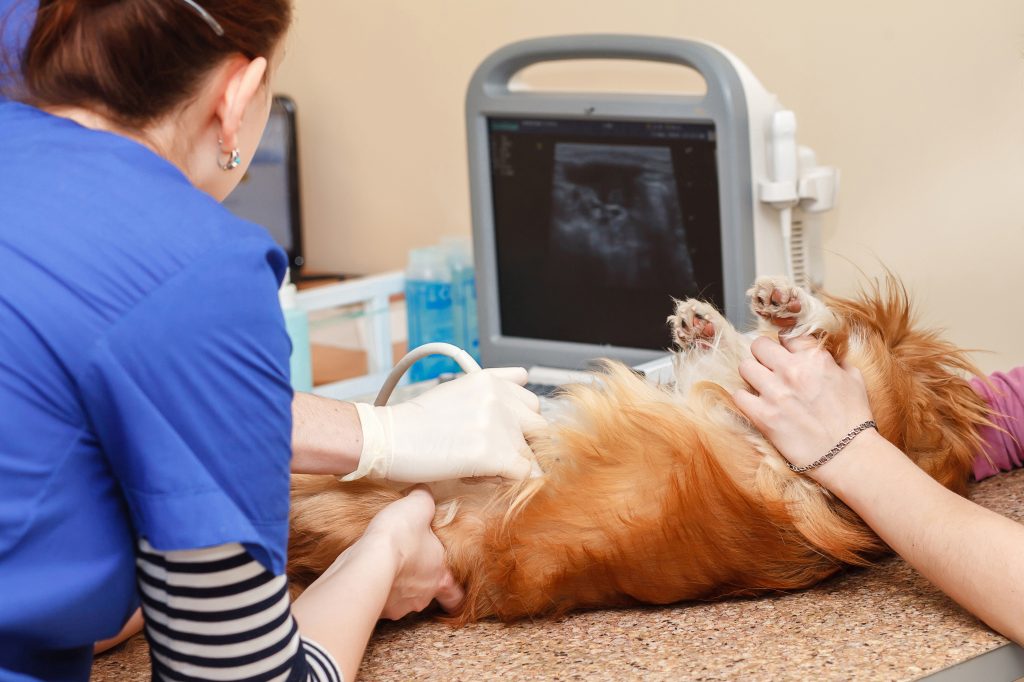
While ultrasounds are not an inherently scary part of veterinary health, they can be intimidating for your pets. These tests are outside the realm of what’s normal for them, and there’s nothing wrong with taking extra precautions to help them feel as comfortable as possible during the process. Knowing how to prepare for a pet ultrasound can make the test easier for everyone involved.
Keep Things “Normal” And Calm
One of the best things you can do for your pet is to keep everything as normal as possible on the day of. Any vet visit can be stressful for them, which is why sticking to their normal morning/afternoon routine is a great way to ease the stress. It’s also vital to speak in a calm tone, reassure them that they’ll be okay, and stay as calm as you’re trying to keep them.
Consider an Approved Oral Sedative
Sometimes, if your pet has high anxiety, the best option for them is an oral sedative. Sedatives will keep your pet calm and relaxed throughout the ultrasound process and may even help us capture better-quality images. However, you should make sure what you’re giving your pet is safe for them, so never give your pet anything without consulting their veterinarian first.
Follow Veterinarian Fasting Instructions
Additional prep for a dog or cat ultrasound often includes some form of fasting. For abdominal ultrasounds, your pet will likely need to fast for a set number of hours before the ultrasound begins. This makes it easier to image their internal organs and limits gas buildup that could complicate the ultrasound.
Ensure They’re Hydrated
Water is not typically included in the fasting process, as it is important to keep them hydrated. Encourage your furry friend to drink water before you leave for the appointment; however, your vet may tell you to stop water a certain amount of time before the procedure.
What to Bring to the Procedure
Knowing what to bring for your pet’s ultrasound appointment helps make the process as smooth as possible. For cats, we encourage a covered carrier to avoid access stimulation, and for dogs, a secure leash and collar to keep them restrained. You’ll also need to know the doses of any medication your pets may be taking and a list of any concerns or symptoms you have.
What to Expect Upon Arrival
When you arrive, the front desk crew will check you in and confirm all appointment details. Once you’ve been called back, your pets will lie down on a table, and the veterinary team will shave the area being ultrasounded.
The technician will then examine the area, which usually takes about 20 minutes (or more, depending on what they are looking for) to complete. Once it’s finished, the veterinarian will tell you how long it will take to get results back, and you can ask any follow-up questions you may have during the appointment.
Choosing the Right Provider
We know that ultrasounds are a relatively painless process, but any trip to the vet can be stressful for your pet. That is why it’s so important to prepare them properly, to make it as seamless for us and as easy for them as possible. If you’re looking for a great team to handle pet ultrasounds in the Troutville area, look no further than the loving souls at Old Dominion Veterinary Clinic!