
Springtime Pet Allergies: What Pet Owners Need to Know
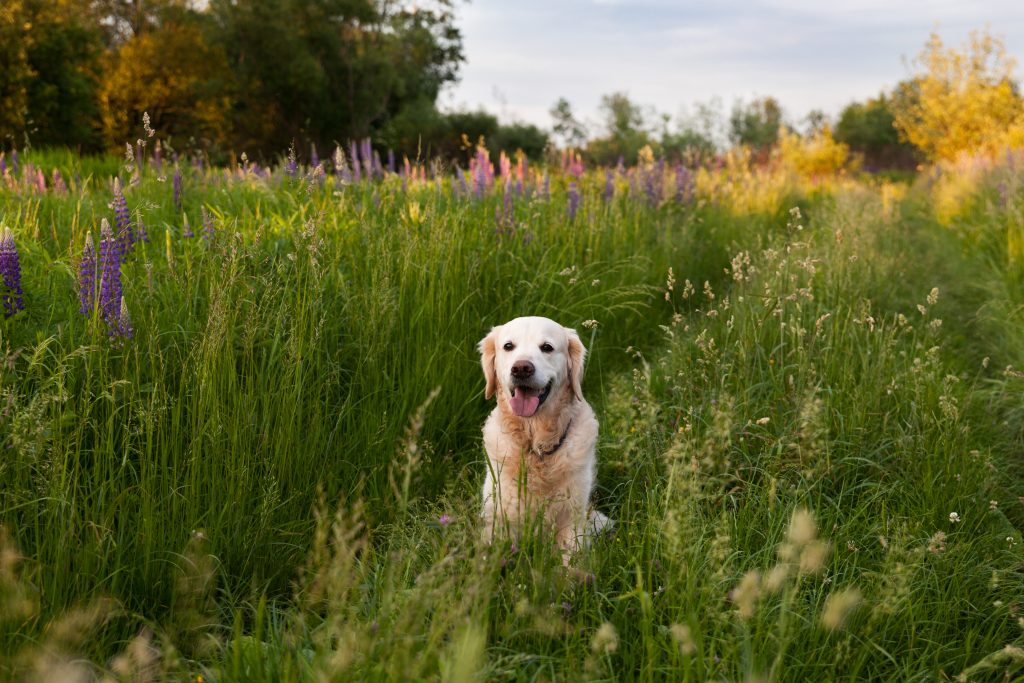
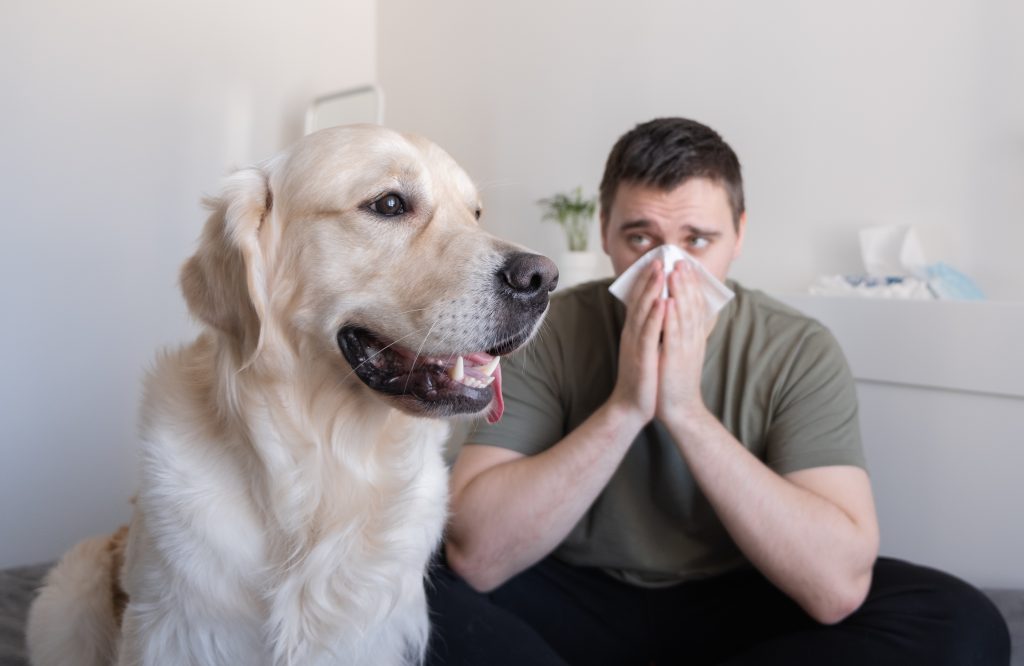
As we venture into spring, we have to prepare for the inevitable: hay fever and pesky allergies. The pollen is ramping up, flowers are blooming, and that means our bodies may not be our best friend at this time. As unfortunate as it is for us, it’s important to remember your pets go through this, too; pet allergies in the spring can be quite the challenge!
Most Common Allergens for our Pets
We can’t dive into all the allergens that could affect your furry friends, but for now, we’ll stick with the basics. Your dogs and cats may be at risk due to:
- Pollen is released from the surrounding greenery
- Flea bites and nests
- Mold and mildew exposure
Common Signs of Allergies:
Your animals may show a wide range of symptoms from slight irritation to major complications, so it’s important to monitor symptoms as they appear.
Skin Changes
One of the most noticeable pet allergy symptoms is irritated skin that can become inflamed. Your pet may experience this primarily on their belly, face, and paws.
Changes in Behavior
Everyone has rough days, and it is obvious when our pets aren’t feeling themselves. Moderate-to-severe allergies can cause constant itching, which can lead to hair loss or skin sores that could trigger aggravation.
Cold-Like Symptoms
We aren’t the only ones who suffer from sniffles and sneezes during this time of year; sneezing and runny eyes are common allergy symptoms in dogs and cats. If their condition continues, it could lead to respiratory symptoms that may increase their recovery time.
Other Bodily Issues
The final pet allergy symptom we would like to focus on isn’t immediately noticeable and is often overlooked. As with humans, the buildup of mucus and swelling in their nasal cavity could lead to recurrent ear infections in your pets throughout the spring.
Allergy Treatment for Dogs and Cats
Luckily, there are ways to treat pet allergies after they’ve been diagnosed. You can opt for immunotherapy, or shots that expose them to allergens to build up immunity. There are also anti-inflammatory medications that limit itching, sniffling, and other common allergy symptoms.
Companies have also developed special allergy shampoos and conditioners to use for bath time to ease your pet’s sensitive skin. There are plenty of other allergy treatments for dogs and cats, including specialty hypoallergenic diets and specific cleaning routines you can do to help them through their allergies!
How to Help Your Pets Further
We all seek relief when battling allergies thrown our way; we should put just as much energy into helping our pets battle them, too. This spring, give Old Dominion Veterinary Clinic a call to find out how you can keep your pets as comfortable as possible. Pet allergies in spring are no joke, so don’t hesitate to come up with a proper treatment plan today!