
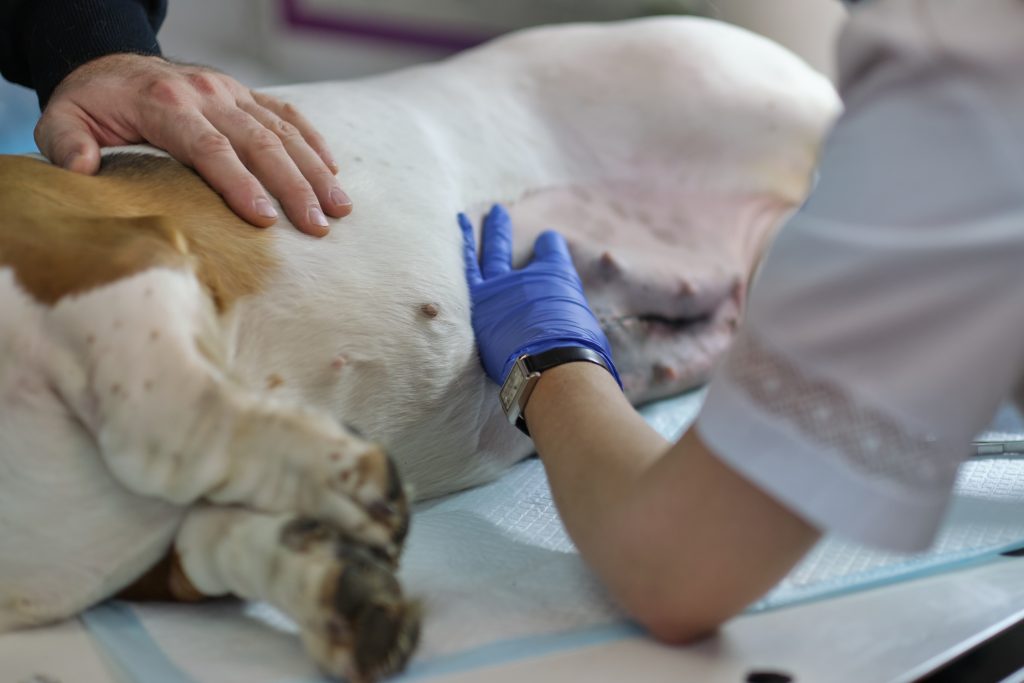
The Importance of Spaying and Neutering Your Pet
We all love our furry friends, but taking care of them goes beyond food, water, and shelter. Having your dogs and cats spayed or neutered is part of responsible pet ownership, and we take it very seriously. Spaying and neutering pets prevents an array of diseases from developing and is linked to better behavior.
Spaying and Neutering Pets: Do Cats and Dogs Share Benefits?
The benefits of spaying and neutering are extensive, and there are often shared traits between the two that span dogs and cats. For example, your dogs and cats will not be at risk of getting pregnant or impregnating another. This is especially important to indoor and outdoor animals.
Surprisingly, spraying or neutering (or having them “fixed” as it’s often called) can also limit how much your pets wander. Doing this will also prevent intense heat cycles, which can be very uncomfortable for cats and dogs.

Spaying and Neutering Your Cats
We care a lot about your feline friends, which is why having them spayed or neutered is essential.
Timeframe of Spaying/Neutering a Cat
Most outdoor kittens or kittens found abandoned are usually spayed when they are caught and become sexually mature, which is around 4 to 6 months old. Knowing when to spay or neuter your cat is a little easier if they’re strictly indoors: you can wait until they are at least six months old, since there is no risk of impregnation (as long as you don’t have unfixed male cats inside, too).
Relaxed Temperament
Unfixed cats are more on edge, and likely to yowl, spray, and exhibit a stressed demeanor. Having them spayed and neutered will limit how fixated tomcats (wild male cats) or house cats are on females, and make them less likely to get themselves into dangerous situations.
Lessens Health Hazards
Spaying and neutering your cats decreases the risk of them escaping outside to find a male or female, and in turn, lowers the risk of them catching feline immunodeficiency virus, or the cat flu. Doing so also lessens the risk of serious uterine infections and discomfort during particularly bad heat cycles.
Spaying and Neutering Your Dogs
Like with cats, we try our best to do what’s best for our dogs, which can often mean having them spayed or neutered.
Timeline of Spaying/Neutering a Dog
Healthy puppies can typically be neutered at around eight weeks old, especially if they spend most of their time outdoors. However, the typical timeframe for when to spay or neuter your dog is when they reach 6 to 9 months old.
Better Behavior
Similar to cats, your dogs may act out if they are not fixed; females may howl and purposely urinate around the house, and males constantly mount other dogs or inanimate objects, and may exhibit some abnormal aggression. Additionally, males may mark their territory, and females can actually experience periods similar to humans.
Limits Risk of Testicular Cancer and Breast Tumors
Spaying your animal before her first heat, or as soon as possible, can greatly reduce the chances of dangerous uterine infections and breast tumors. Doing this will help prevent prostate problems (such as an enlarged prostate or inflammation of the prostate gland) in male dogs and lower the chances of testicular cancer.
Spaying and Neutering is Part of Responsible Pet Ownership
As a veterinary clinic, we care greatly about giving your pet the best quality of life possible. Spaying and neutering petsplay a significant role in their health and behavior; however, the longer you wait, the more likely they are to experience post-op complications. Call Old Dominion Veterinary Clinic today to schedule an appointment and ask our team any questions about the spaying and neutering process!